
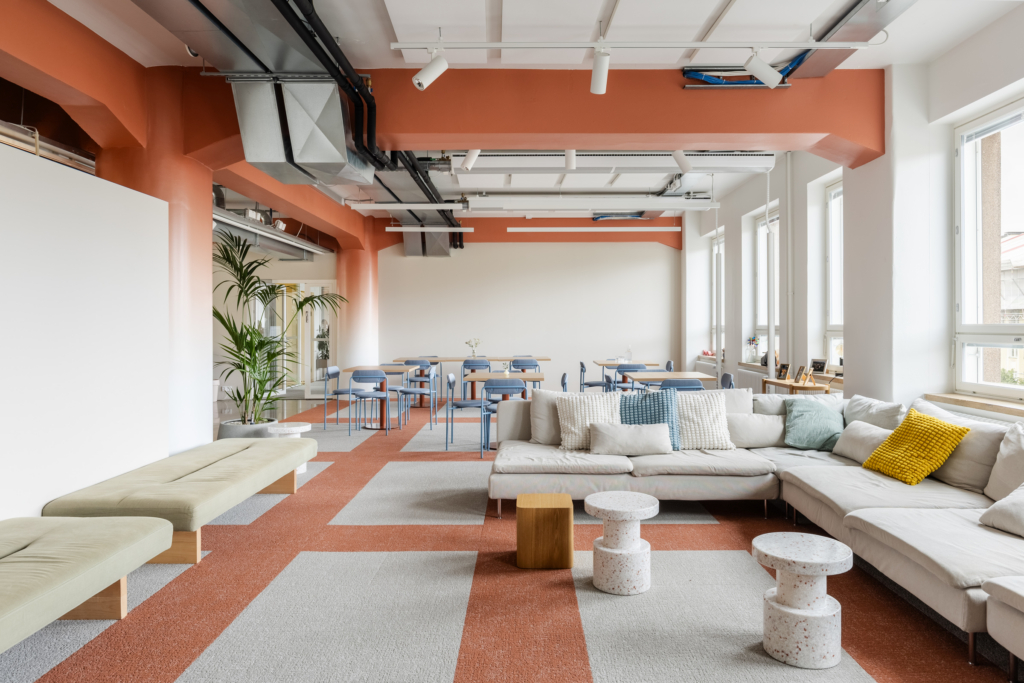
Most of us spend more daylight hours in the office than anywhere else, yet many offices feel cut off from the outside world. Biophilic design fixes that by bringing nature inside: plants, daylight, natural textures and organic shapes.
The good news is you don’t need a big renovation budget. Here are 15 practical ways to create a biophilic office, from quick wins to bigger upgrades.
What is biophilic design?
Biophilic design is an approach to interiors that connects people with nature. It uses living plants, natural light, natural materials and nature-inspired patterns to make spaces calmer and more pleasant to work in. Many studies link it to lower stress and better concentration.
Plants that thrive in offices
The biggest mistake offices make is choosing plants that need lots of sun and attention. These plants handle low light, air-conditioning and the occasional missed watering.
- Snake plant: Nearly indestructible. Water every 2–3 weeks.
- ZZ plant: Glossy leaves and very tolerant of low light.
- Pothos (money plant): Great for shelves and hanging planters. It trails beautifully.
- Peace lily: Its white flowers add softness, and it droops visibly when it needs water.
- Areca palm: Adds height and a tropical feel to corners and reception areas.
- Rubber plant: Bold, dark leaves that make a statement in a large pot.
- Philodendron: Easy to grow, with heart-shaped leaves that suit desks and shelves.
- Aglaonema: Patterned leaves in green, pink or red for a pop of color.
Tip: Group 3–5 plants together instead of spreading single pots around. Clusters look intentional and have more visual impact.
Low-maintenance green walls
- Preserved moss walls: Real moss that’s been treated so it never needs water or sunlight. Ideal behind reception desks or as a logo backdrop.
- Modular wall planters: Wall-mounted pots arranged in a grid create a living wall at a fraction of the cost of an irrigated system.
Natural materials
- Wood: Wooden desk tops, shelving or slatted wall panels instantly warm up a space.
- Jute, cane and rattan: Use them in rugs, pendant lights, chair backs and storage baskets.
- Stone and terracotta: Terracotta planters and stone-finish surfaces add earthy texture.
Light and views
- Open up daylight: Move desks closer to windows. Swap heavy blinds for sheer roller blinds that let light in while cutting glare.
- Nature-inspired art and patterns: Where windows are limited, use botanical prints, leaf-pattern wallpaper or large landscape photographs.
What does it cost?
| Setup level | What’s included | Approximate budget |
| Starter | 10–15 low-light plants with planters, a few jute baskets | ₹10,000–25,000 |
| Mid-range | Plant clusters, one moss wall panel, wooden shelving, sheer blinds | ₹50,000–1,50,000 |
| Premium | Full living wall, natural-material furniture, circadian lighting | ₹3,00,000 and above |
Prices are approximate and vary by city, office size and supplier.
Frequently asked questions
What is the easiest plant for an office with no windows? The ZZ plant and snake plant both tolerate very low light. Even so, rotate them near a window or under a grow light every few weeks.
Do moss walls need maintenance? Preserved moss walls need no watering or sunlight. Just keep them away from direct air-conditioning vents and very dry air.
Is biophilic design expensive? It doesn’t have to be. Plants, natural textiles and better use of daylight make a big difference for a small budget.
Start small, grow from there
You don’t need to transform your office in one go. Start with a cluster of plants and one natural material, then build up as you see the difference it makes to your team.
Biophilic design is one of Office Dekor’s signature office themes. We plan greenery, daylight and natural materials into turnkey office interiors across Delhi NCR. Book a free consultation